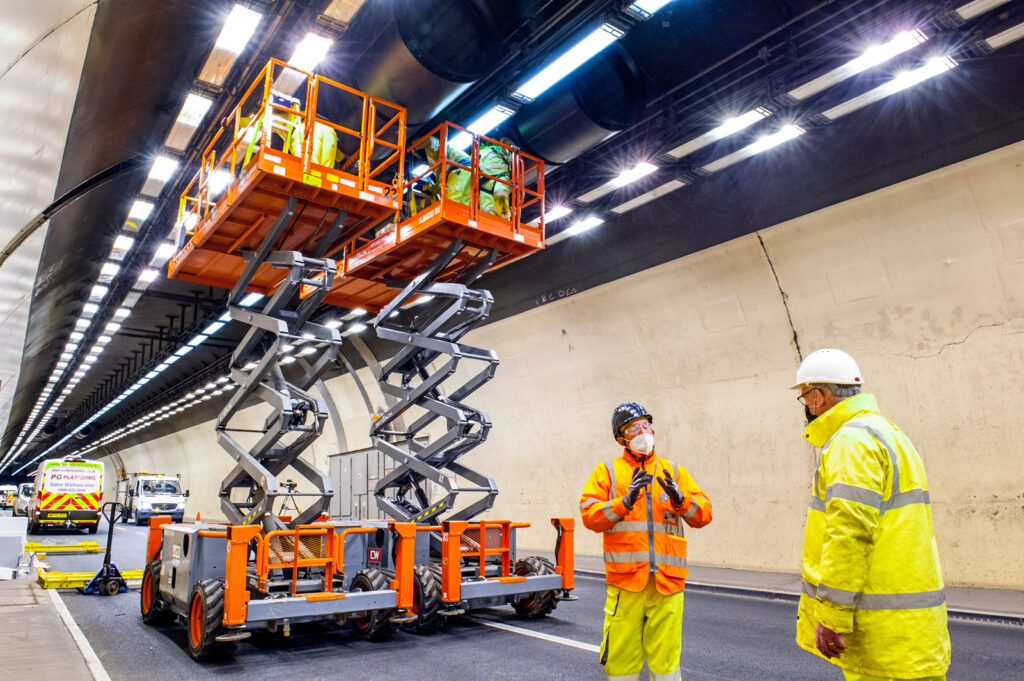
Managing environmental conditions for national assets is one of the most complex and safety‑critical challenges in UK infrastructure. According to our recent LinkedIn poll, Air Quality & Ventilation is the number one priority for operators, engineers, and industry peers. This aligns with what we see every day at PDS: effective ventilation is essential for safety, reliability, and operational efficiency.
In this article, we explore why Air Quality & Ventilation is so important, the unique risks operators face, and how PDS delivers trusted, end‑to‑end environmental management solutions across major national highways and critical infrastructure.
Why Air Quality & Ventilation Matters
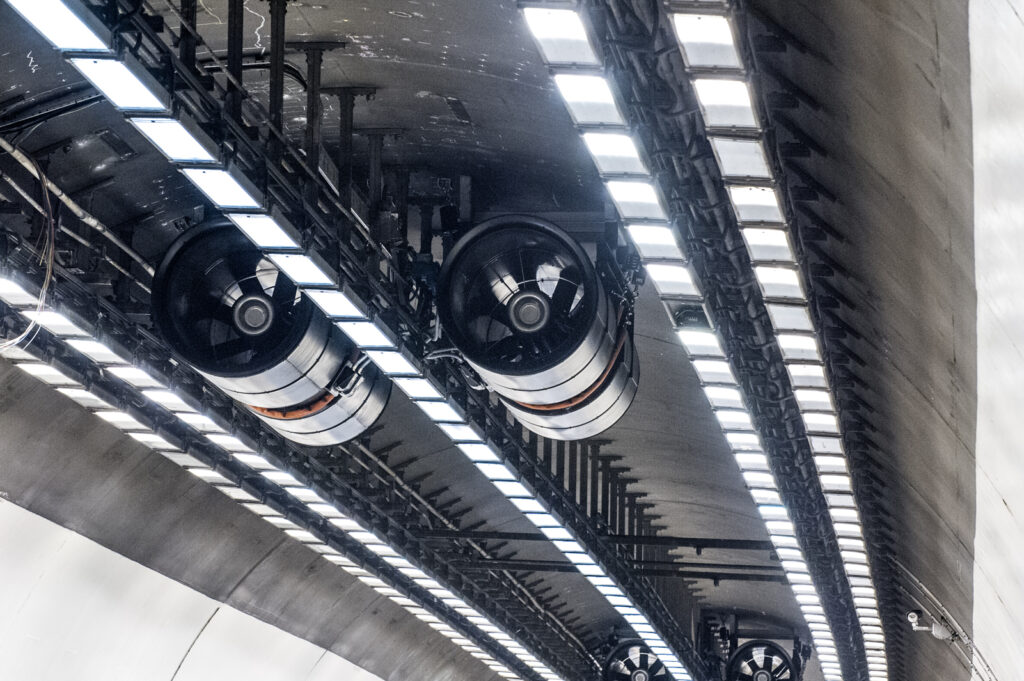
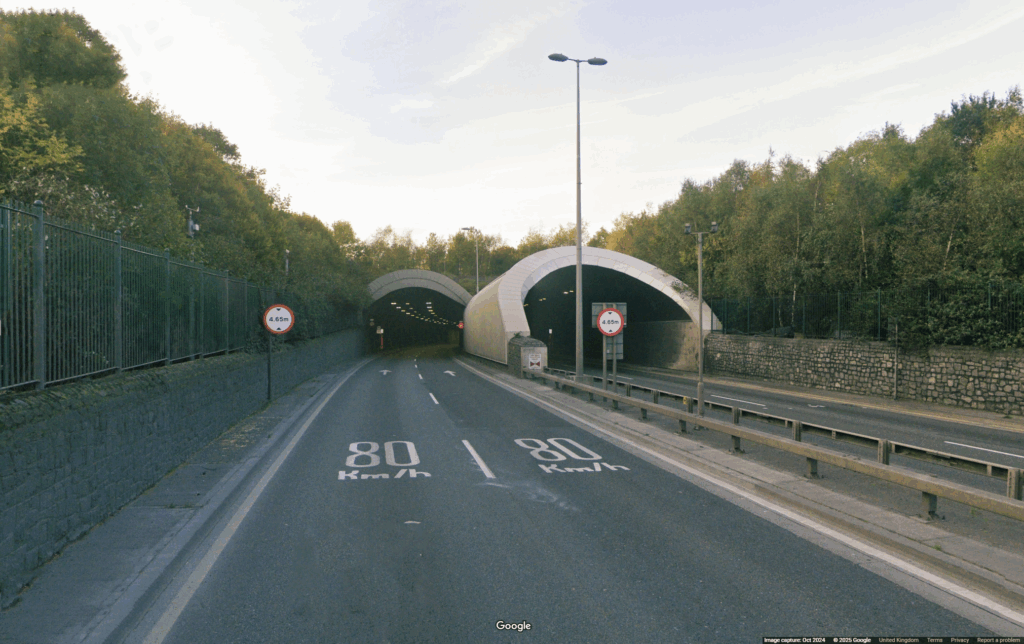
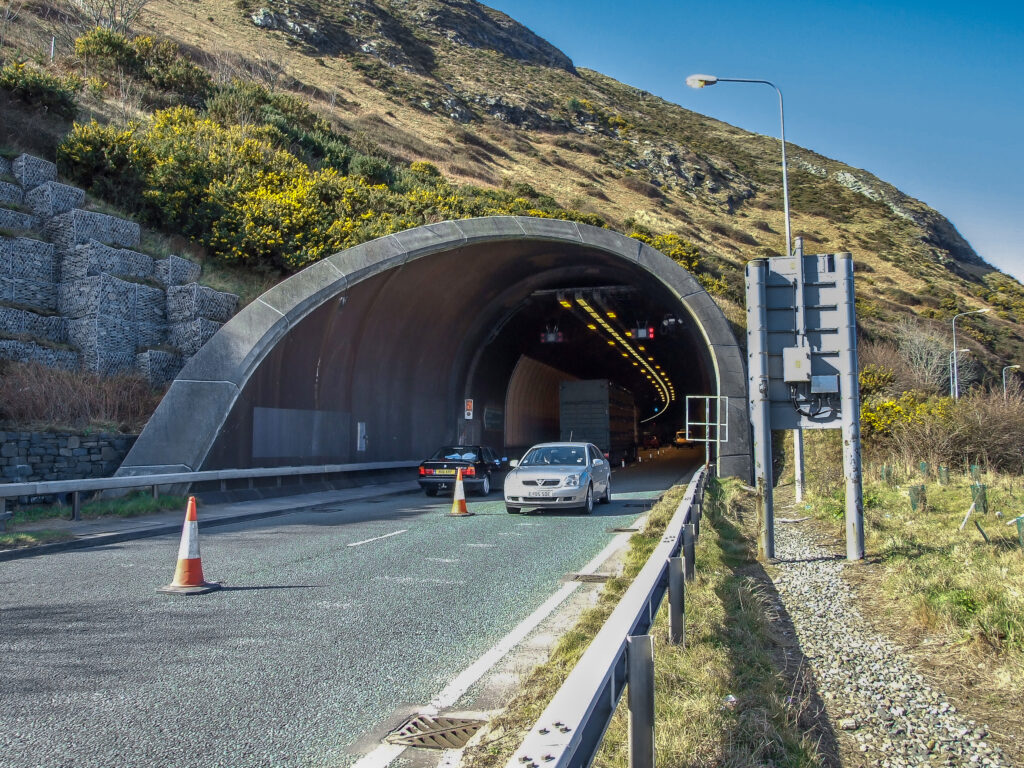
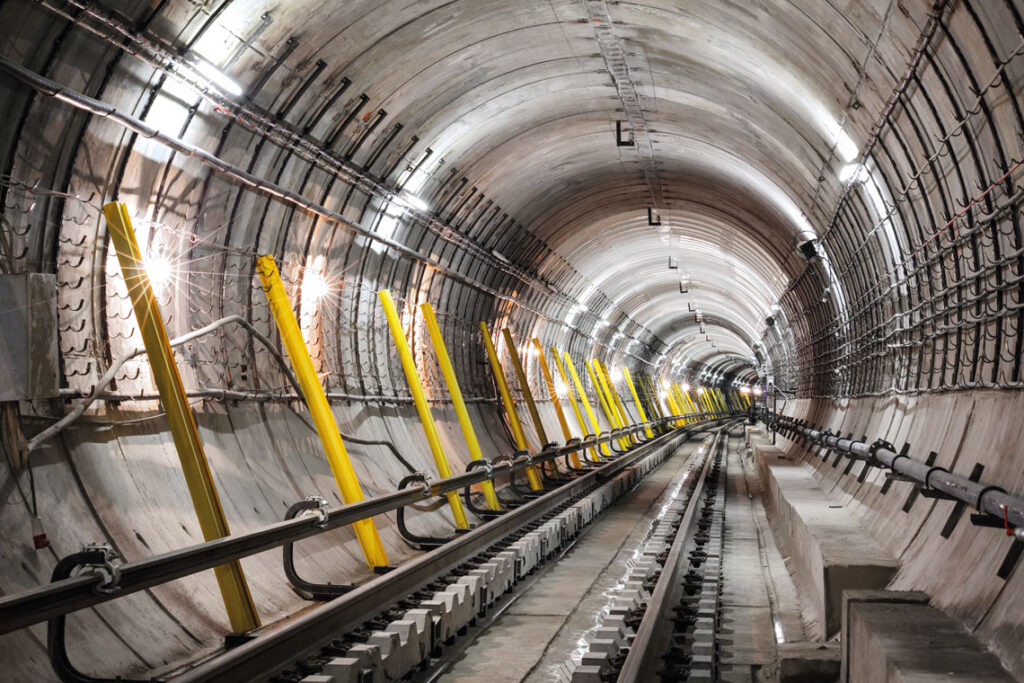
Ventilation isn’t just about comfort – it’s about life safety. These enclosed spaces trap exhaust fumes, particulates, and in worst‑case incidents, smoke and toxic gases. The real challenge is balancing instant responsiveness with long‑term efficiency.
Modern tunnel ventilation systems must:
- Detect smoke and toxic gases with zero delay
- Extract fumes and maintain visibility
- Prevent smoke stratification during incidents
- Operate intelligently to optimise energy use
- Withstand harsh environmental conditions (dirt, grit, fog, salt, and corrosion)
Failing to manage these risks leads to reduced availability, increased operational costs, and dangerous conditions for drivers.
Key Risks: Reliability, Harsh Environments & Obsolescence
Tunnels are exposed to constant vehicle emissions and extreme seasonal conditions – especially in coastal areas. Sensors often face:
- Dirt, grit, salt and fog buildup
- Harsh winter temperatures
- Moisture and corrosive atmospheres
- Mechanical wear over long life cycles
When sensors drift or systems become outdated, operators face two major risks: toxic gas build-up and false alarms leading to unnecessary closures
A single avoidable tunnel closure can impact thousands of road users and cause significant cost and disruption across the network.
The PDS Approach: A True End‑to‑End Integrator
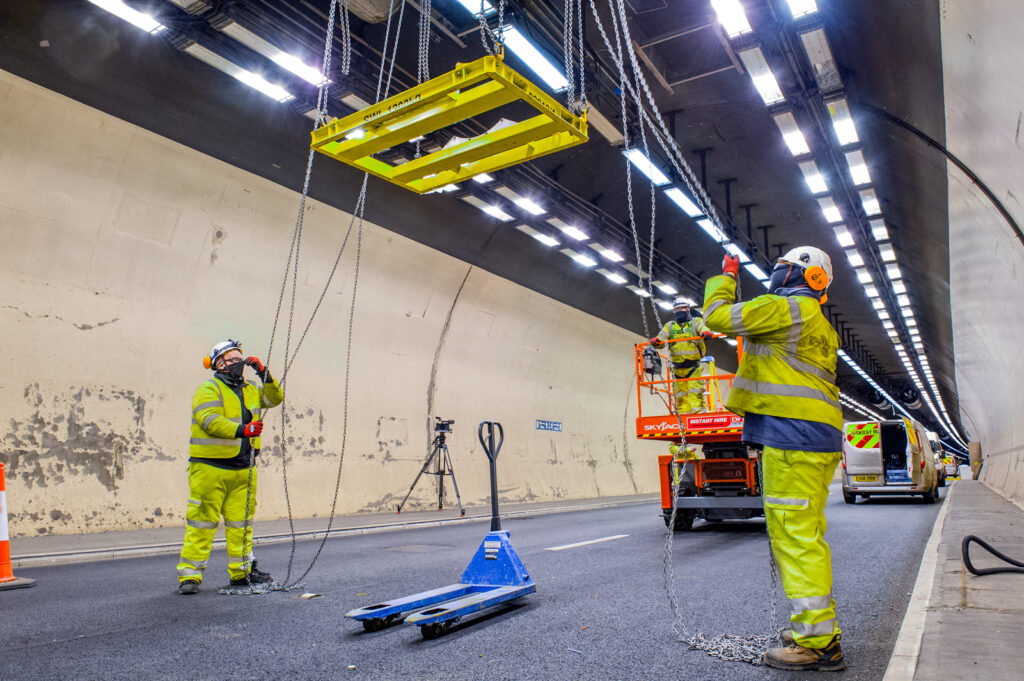
Where many suppliers offer fragmented solutions, PDS delivers fully integrated, vendor‑agnostic systems. That means we ensure every component, from field sensors to control room interfaces, works together seamlessly.
We provide:
- Full system design, development, and integration
- Intelligent PLC and SCADA programming
- Compatibility with all major environmental sensor manufacturers (Acoem, Codel, SICK and more)
- Installation, commissioning, and long‑term maintenance
- Lifecycle management of equipment
- Ventilation fan and damper control logic
- Whole‑system troubleshooting and optimisation
Our ability to manage the entire control loop ensures accuracy, reliability, and simplified maintenance, reducing the total cost of ownership for our clients.
Client Benefits: Efficiency, Safety & Reduced Operational Costs
Lower Energy Consumption
Smart ventilation ensures fans run only as fast as needed. With tunnel ventilation being one of the largest consumers of energy on a highways asset, even small efficiencies deliver major savings.
Extended Asset Life
By maintaining sensors, replacing equipment responsibly, and tuning systems regularly, we help clients avoid premature failures.
Fewer Callouts & Closures
Using reliable, market‑leading equipment and designing redundancy into systems significantly reduces reactive maintenance and tunnel closures – keeping the public moving and saving taxpayer money.
Compliance & Peace of Mind
Clients can trust their assets are compliant with national safety standards and ready for rapid response during incidents.
Industry Misconceptions & Advice from Our Experts
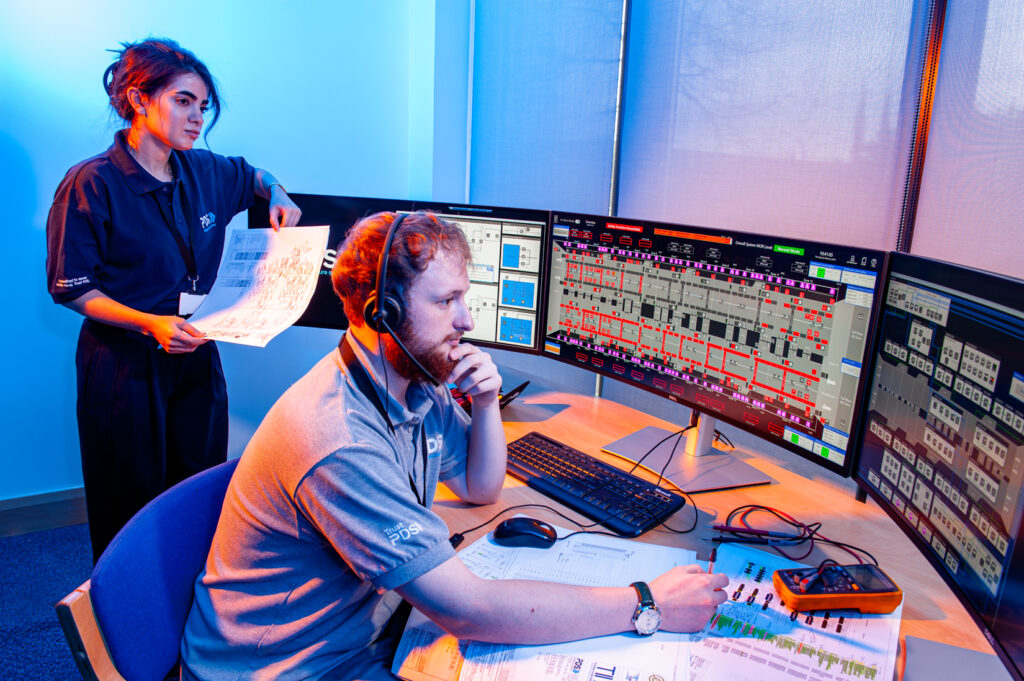
One of the biggest misconceptions is that ventilation equipment is “fit and forget.” But sensors drift, environmental conditions change, and control logic must evolve over time.
Our advice is simple: Don’t just install equipment – build a system.
A sensor is only as effective as the control logic, integration, and long‑term maintenance strategy behind it.
Watch Our Q&A
Tell Us Your Biggest Challenge
Air Quality & Ventilation remains one of the biggest challenges in UK infrastructure – and it’s one PDS is proud to help solve.
Got a specific challenge or want advice on improving your tunnel’s environmental management strategy? Get in touch for a deeper conversation.